Taking The Leap: Is Right For Your Details Vision Requirements?


Produced By-Smith Glass
If contemplating options for improving your vision, the procedure of lens replacement can be a revolutionary choice. This procedure, also identified as refractive lens exchange, provides a solution for a range of vision problems, including myopia, farsightedness, and age-related vision decline. As more individuals seek alternatives to traditional eyeglasses or contacts, grasping what lens replacement surgery entails is essential to making an informed decision.
In this comprehensive guide, we will investigate the benefits, dangers, and post-operative care associated with lens replacement surgery. We will also look at how it contrasts to LASIK, determine suitable individuals, and present insights on expenses and financing options. Whether you are struggling with a high prescription or simply wish to lessen your dependence on glasses and contacts, this article will assist you navigate the important considerations when considering this eye surgery.
Comprehending Lens Replacement Surgery
Refractive lens exchange, commonly referred to as refractive lens exchange, constitutes a surgical intervention designed to replace the eye's natural lens with an synthetic one. This procedure is commonly suggested for people dealing with sight problems that are not fixable with standard glasses or contact lenses. The operation is particularly beneficial for those suffering from farsightedness, high prescriptions, or conditions such as clouded lenses. By resolving these visual issues, lens replacement surgery can provide a more enduring solution relative to surgical alternatives.
During the operation, the medical professional extracts the current lens and replaces it with a tailored lens implant designed for the patient's individual sight requirements. Various categories of lens implants are on the market, including flexible lenses and extended depth of focus lenses, which can enhance both close and distance vision. Individuals often report significant improvements in their general vision quality, reducing their reliance on glasses or contact lenses. The selection of lens implant can depend on individual visual requirements and lifestyle preferences.
Recovery from lens replacement surgery generally changes depending on the type of lens used and the person's overall health. Many patients see an increase in their vision soon after the surgery, although complete recovery may take some weeks. During this phase, it's essential for individuals to follow their physician's post-operative care instructions to ensure optimal healing and deal with any potential complications. Comprehending these elements can assist patients in choosing wisely about whether lens replacement surgery is the appropriate option for their visual correction requirements.
Advantages and Risks of Personalized Lens Surgery
Personalized lens surgery offers several advantages for individuals seeking to improve their vision. One of the primary benefits is the possibility for long-term vision correction, allowing patients to reduce or remove their dependence on glasses or contacts. With advancements in lens technology, options such as accommodating lens implants and extended depth of focus lenses can provide clear vision at varying distances. Additionally, this procedure can effectively address a variety of vision issues, including presbyopia and high levels of refractive error, making it a versatile solution for many patients.
However, like any operational procedure, custom lens replacement carries inherent dangers. Potential complications can include contamination, bleeding, or dissatisfaction with visual outcomes, necessitating additional interventions. Some patients may also experience temporary side effects, such as glare or halos around lights, particularly in the initial recovery phase. It is essential for patients to have thorough consultations with their surgeons to talk about these risks and set expectations properly.
Recovery after personalized lens surgery is generally quick, but it can vary among individuals. First healing may occur within a few days, while full recovery can take multiple weeks. Patients may need to follow particular post-operative care instructions to enhance healing and minimize complications. Recognizing both the advantages and disadvantages is crucial for anyone considering this procedure, ensuring they make an educated choice about their vision correction options.
Candidacy and Consultation Procedure
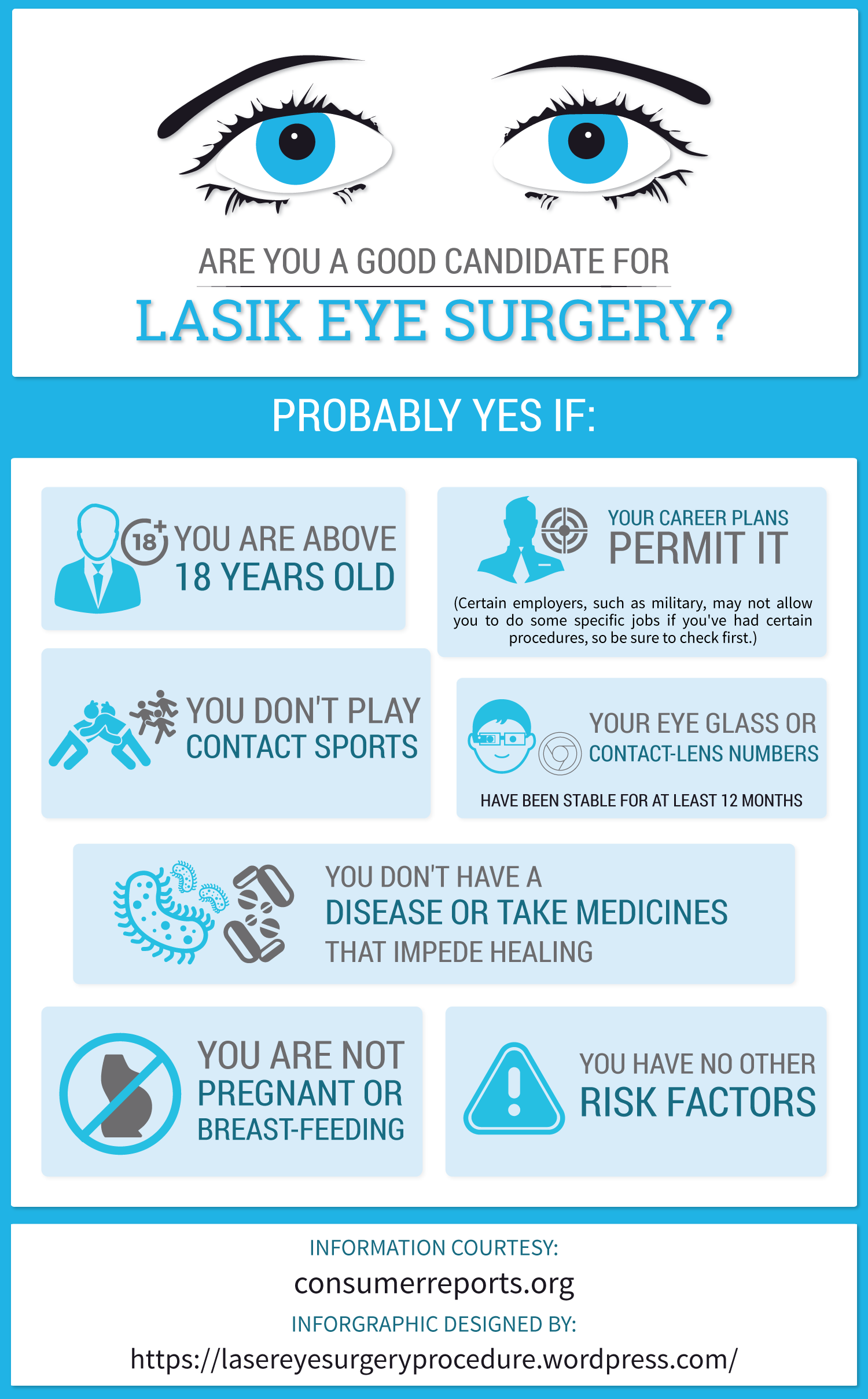
Establishing eligibility for lens replacement surgery begins with a thorough eye examination by an qualified lens replacement surgeon. This first assessment examines your overall eye health, refractive error, and the presence of any issues that may impact surgery, such as cataracts or corneal problems. Comprehending your vision goals is important, as lens replacement can treat various refractive errors, such as high nearsightedness, astigmatism, and presbyopia.
Once you are assessed, the surgeon will talk about potential treatment options tailored specifically to your needs. This involves exploring premium lens replacement options, such as adaptive lens implants or extended depth of focus lenses. The consultation process also entails discussing about your lifestyle, visual demands, and any concerns you may have regarding the procedure, recovery time, and costs. This dialogue guarantees that you make an educated decision about whether lens replacement surgery is the appropriate choice for you.
It is crucial to approach the consultation with a set of questions and expectations. Your surgeon should provide clear answers about the custom lens replacement procedure steps, including what to expect during and after surgery. Clearsight Vision Correction Oklahoma City about your candidacy, risks, and the estimated recovery timeline will help you feel secure in your decision. Setting realistic expectations for your vision correction outcomes will ultimately lead to higher satisfaction with your results.
Pricing and Payment Options for Lens Replacement
The cost of lens replacement surgery can vary substantially based on multiple factors, including the type of lens utilized, the difficulty of the procedure, and the expertise of the doctor. On average, patients can anticipate to pay between three thousand to five thousand USD per sight. Premium lens choices, such as accommodating lenses or extended depth of focus lenses, may increase the total cost but can provide enhanced visual outcomes for specific needs.
Payment options are frequently available to assist manage the cost of lens replacement surgery. Many medical centers provide payment plans that allow patients to pay for their surgery across time, often without interest. In addition, using Health Savings Accounts (HSA) or Flexible Spending Accounts (FSA) can provide tax advantages and make the surgery more cost-effective. It is important to discuss these choices during the meeting process to locate the best financial arrangement for your circumstance.
Insurance coverage for lens replacement procedures differs among companies and plans. While https://mgyb.co/s/sOAur may cover parts of the procedure if it is deemed health necessary, alternative may classify it as elective operation, restricting benefits. It is essential to examine your health coverage policy and consult with your insurer to understand your particular benefits. Understanding the cost-related aspects and investigating payment methods can help make lens replacement surgery a realistic choice for those desiring permanent vision correction.